
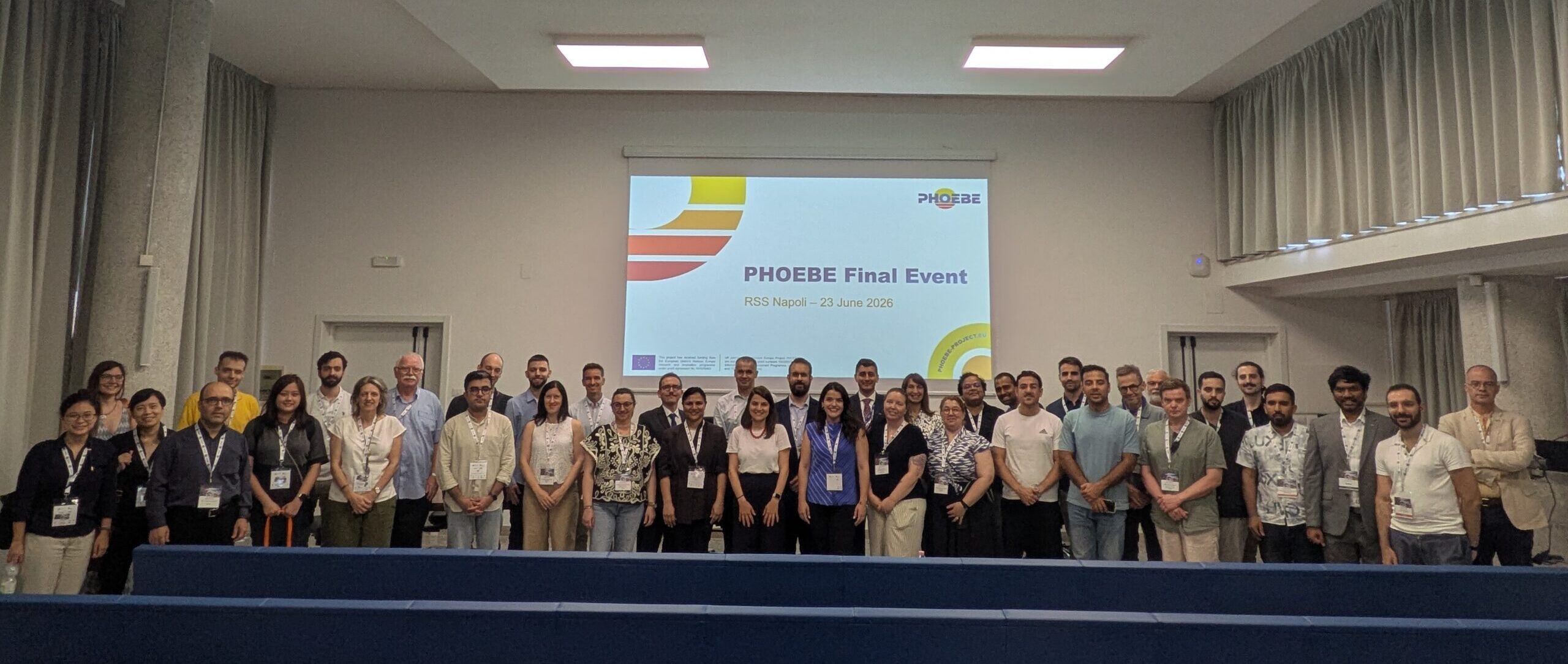
This week, the PHOEBE consortium celebrated the official conclusion of the project with a dedicated project results workshop held during the afternoon of the first day of the 10th International Road Safety & Simulation Conference (RSS2026) in Naples, Italy. The entire consortium extends its thanks to all external contributors and stakeholders for their support, and invites you to explore our presentations below and join our closing webinar on 30 June.
The audience of the final workshop, which was attended by approximately 50 road safety researchers, international stakeholders and PHOEBE project partners, was welcomed by James Bradford (iRAP), followed by PHOEBE project officer Andrea Superti, as well as a digital address by the European Commission. An overview of research, funding and European policy frameworks was delivered by Claire Depre, Head of Unit of the Department of Road Safety (DG MOVE).
Establishing the PHOEBE framework served as the anchor and guide for the entire project. Appropriately, it was the first agenda item, presented by Apostolos Ziakopoulos from NTUA. The decision of the PHOEBE consortium to organise the final workshop at RSS2026, and thereby cater to a predominantly academic audience, enabled the researchers within the consortium to explain the PHOEBE road safety framework in considerable depth.
Short Introduction and Sharing of Pilot Results
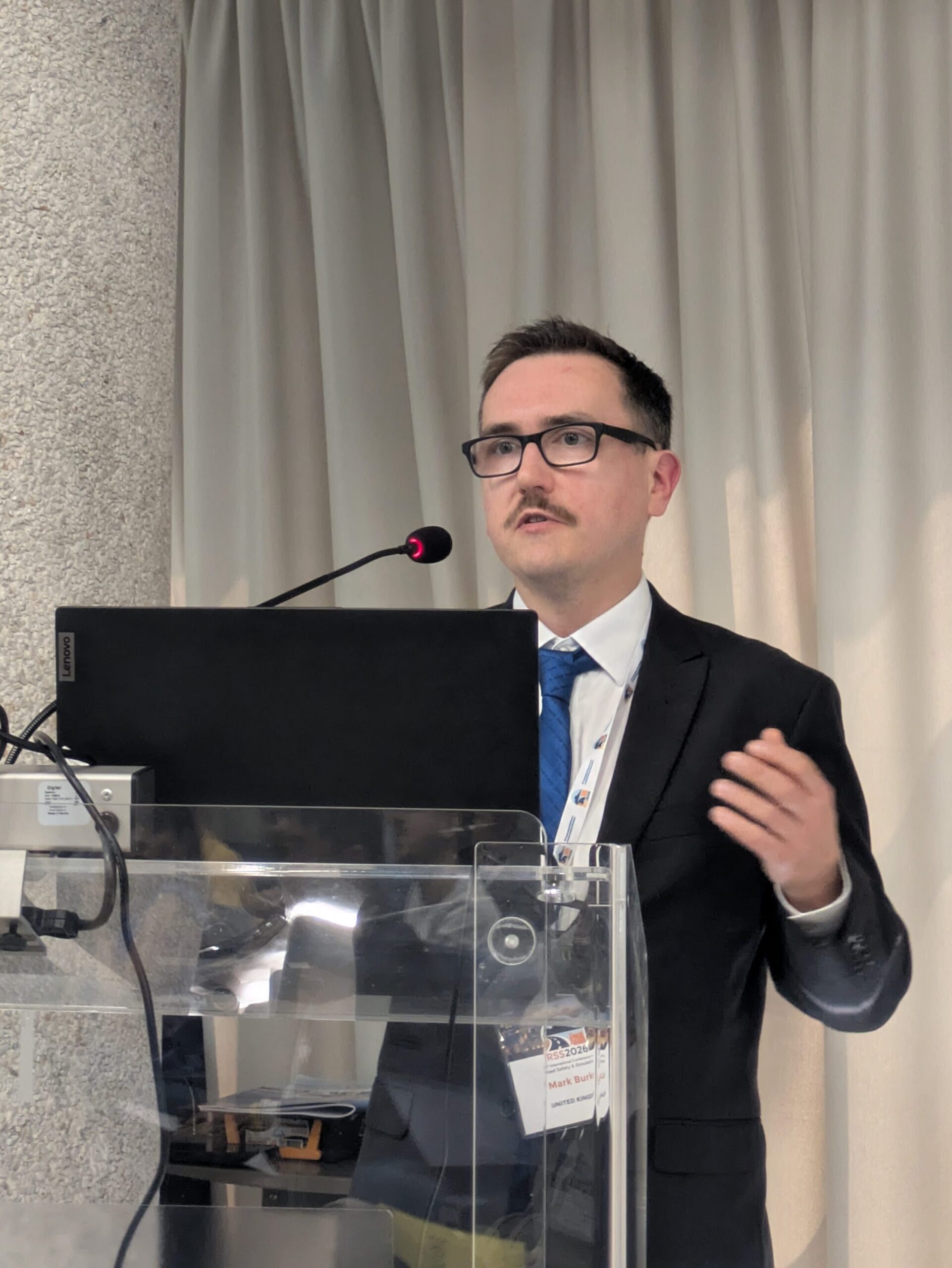
The West Midlands use case, presented by Mark Burke (TheFloow), analysed the impact of changing speed limits and the installation of cycling lanes to counterbalance car dependency in the wider peri-urban area surrounding the second largest city in the United Kingdom.
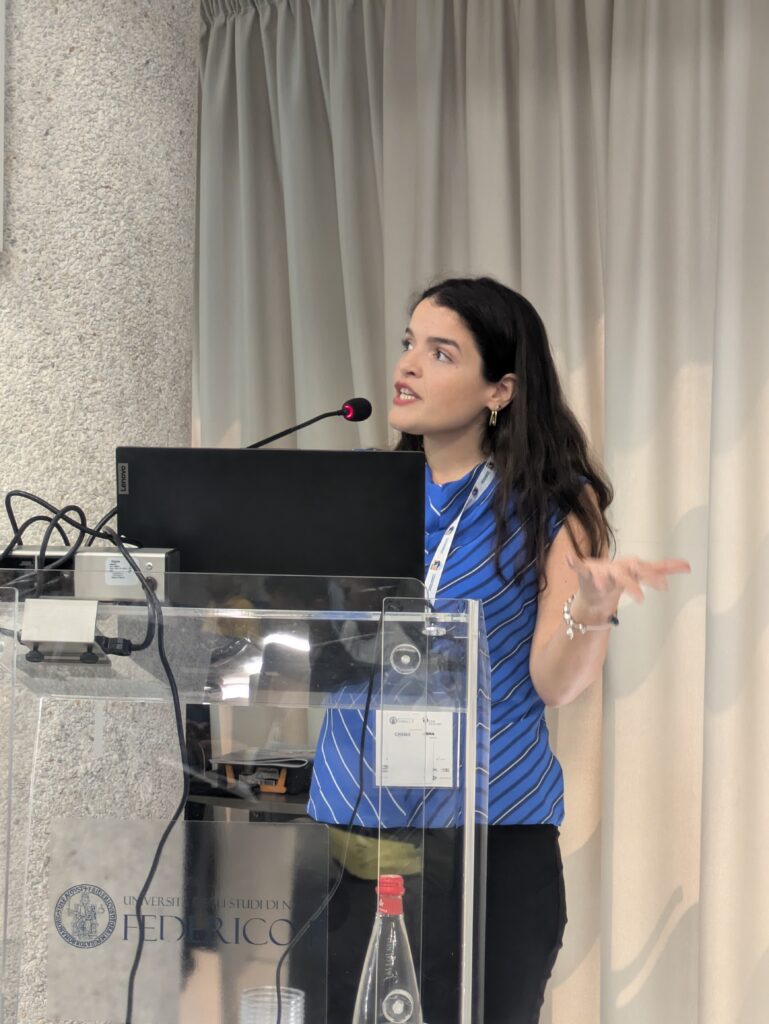
Whilst the assessment of the West Midlands use case focused on a large geographical area, the research for the Athens pilot, presented by Stella Roussou (NTUA), zoomed into the city centre of the Greek capital. The PHOEBE analysis was used to assess the impact of the transformation brought about by the installation of the Athens Great Walk.
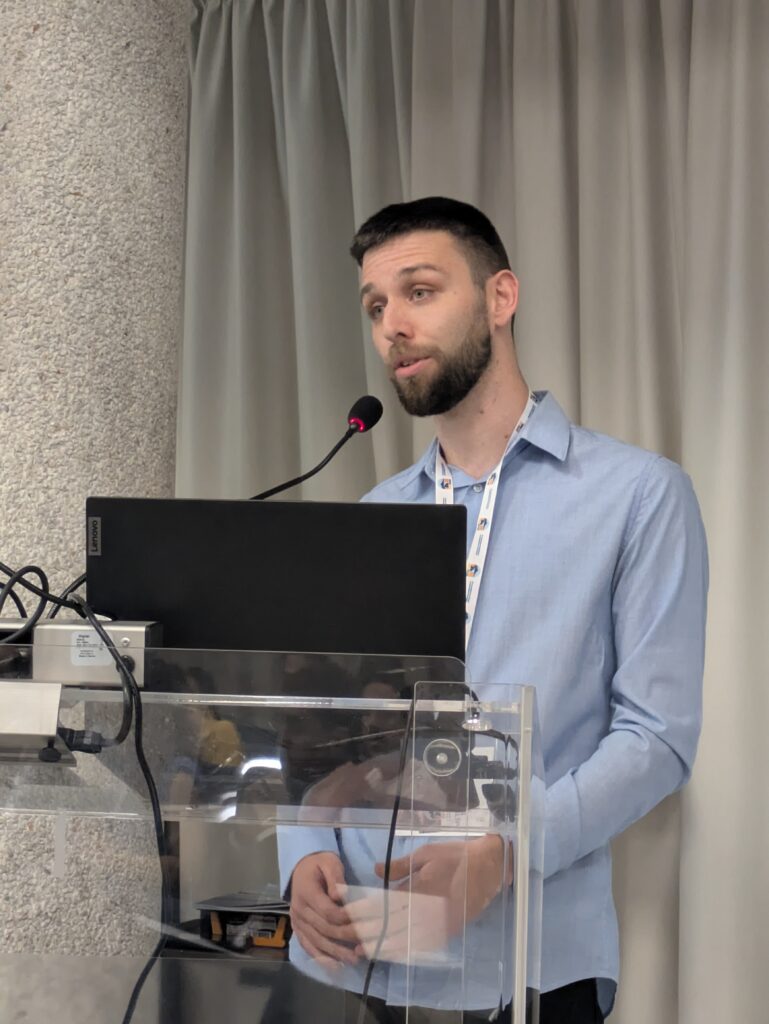
The third use case, Valencia, summarised by Áron Hegedűs (FACTUAL), focused on the main traffic arteries of the Spanish city and highlighted research related to additional safety challenges, including the introduction of on-street parking, which resulted in an increased number of illegal crossings.
Modelling Results
Given that PHOEBE presented to an audience comprising predominantly academic experts, the agenda allocated considerable time to the modelling results. The session opened with mode-choice modelling, its integration into the PHOEBE framework and the related findings, presented by Arunava Putatunda (TUM). This was followed by an overview of the behavioural modelling framework and use case analysis in road safety, delivered by Amna Chaudhry (TU Delft), whose presentation prompted a broader discussion regarding terminology related to traffic violations. The third element, and a true success story of the PHOEBE project, was delivered by Antonio Pellicer (AIMSUN), who outlined the integration of the iRAP and Aimsun models and the direct positive impact of PHOEBE on both solutions.
Concluding remarks
Overall, the workshop showcased a combination of detailed overviews of the modelling exercises and real-world examples, including video footage from the data-gathering methods employed, such as smartphone recordings of cycling trips, safety camera feeds and recorded video data. All available datasets, gathered in a GDPR-compliant manner, are accessible via our Zenodo platform.
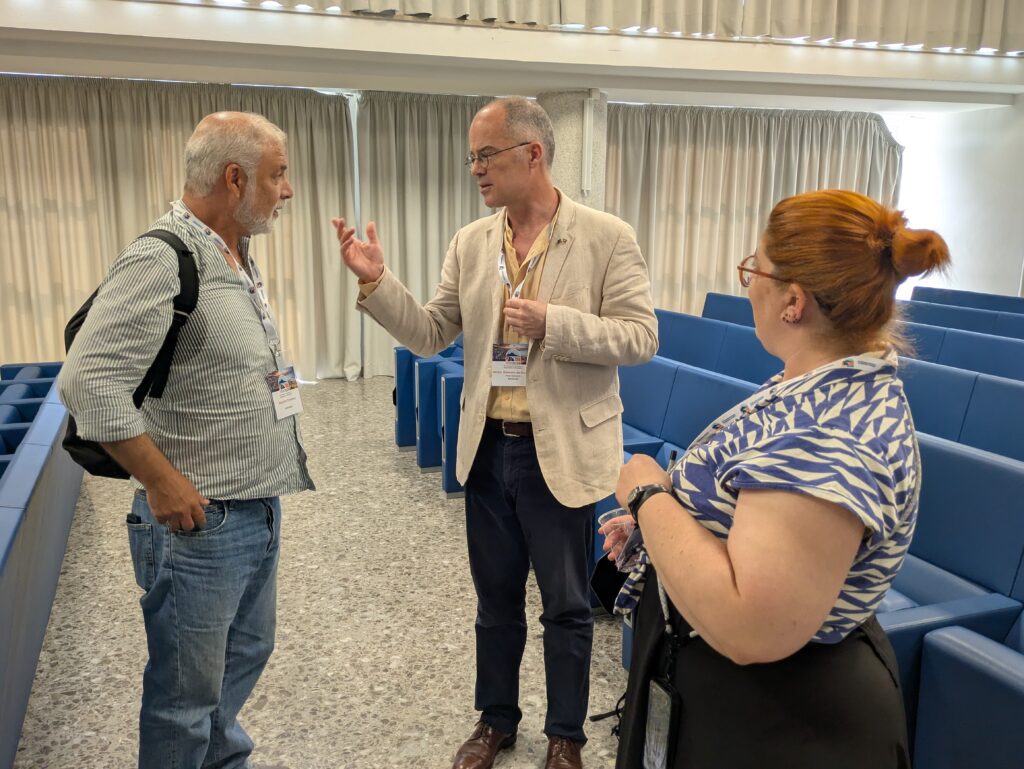
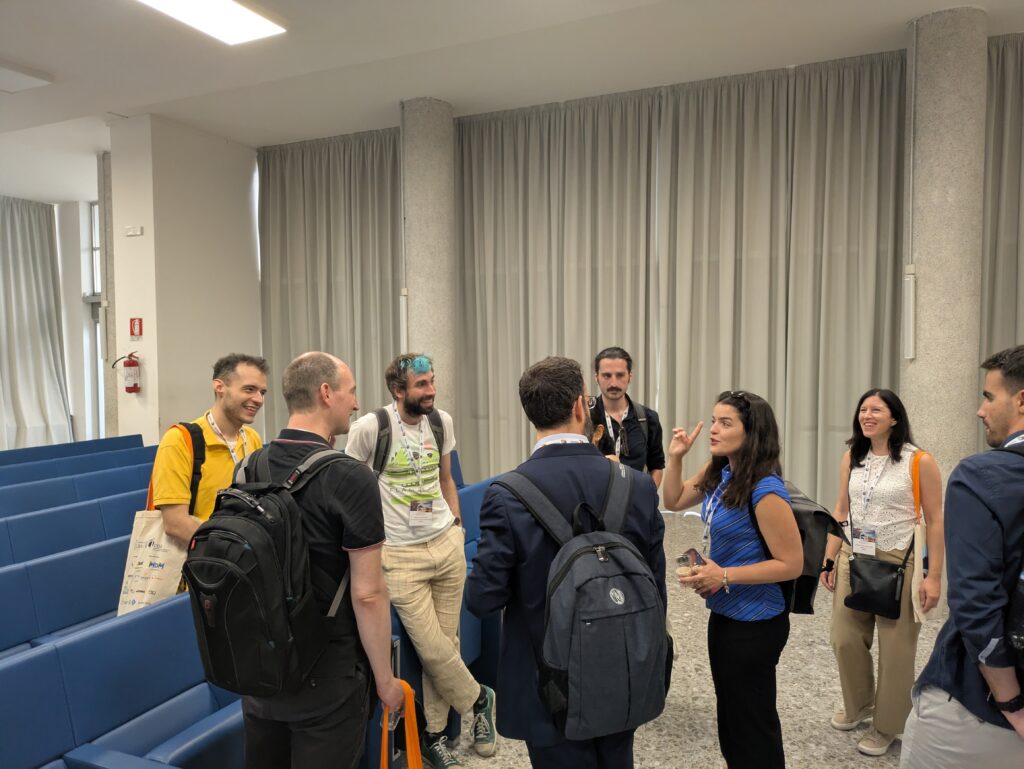
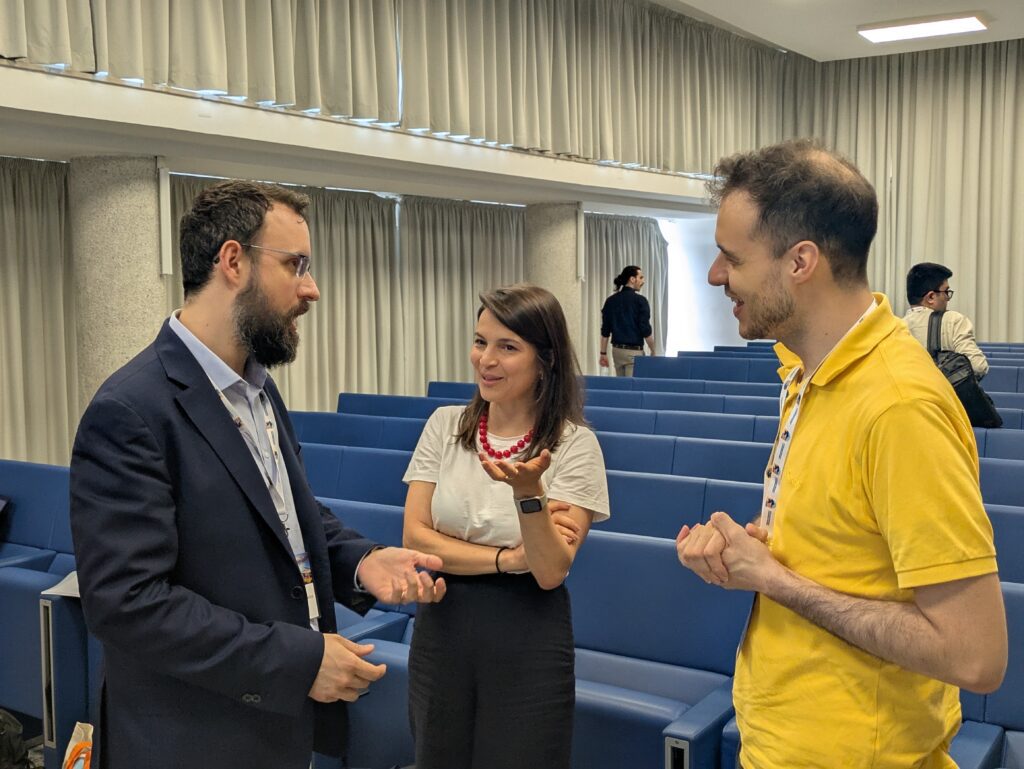
No workshop would be complete without an interactive element. Accordingly, the audience was given the opportunity to put questions to the PHOEBE experts and comment on the final project results, which were presented by Shanna Lucchesi (iRAP/EIRA).
For those who were unable to travel to Naples, PHOEBE invites you to join our closing webinar, which will take place on 30 June 2026 from 10:00 to 11:30 on Zoom.
Presentations
Welcome words & high-level introduction of PHOEBE – James Bradford (iRAP)
Overview of the PHOEBE framework – Apostolos Ziakopoulos (NTUA)
PHOEBE Pilots
West Midlands – Mark Burke (TheFloow)
Athens – Stella Roussou, (NTUA)
Valencia – Áron Hegedűs (FACTUAL)
Modelling
Mode-choice modelling, integration into PHOEBE framework and results – Arunava Putatunda (TUM)
Behavioural modelling framework and use case analysis in road safety – Amna Chaudhry (TUD)
From risk ratings to traffic models and back: the iRAP ViDA – Aimsun Next integration journey – Antonio Pellicer (AIMSUN)
Results – Shanna Lucchesi (iRAP/EIRA)